





The Rise of Open Banking: How APIs are Transforming the Financial Landscape
ByJayshree Mathur

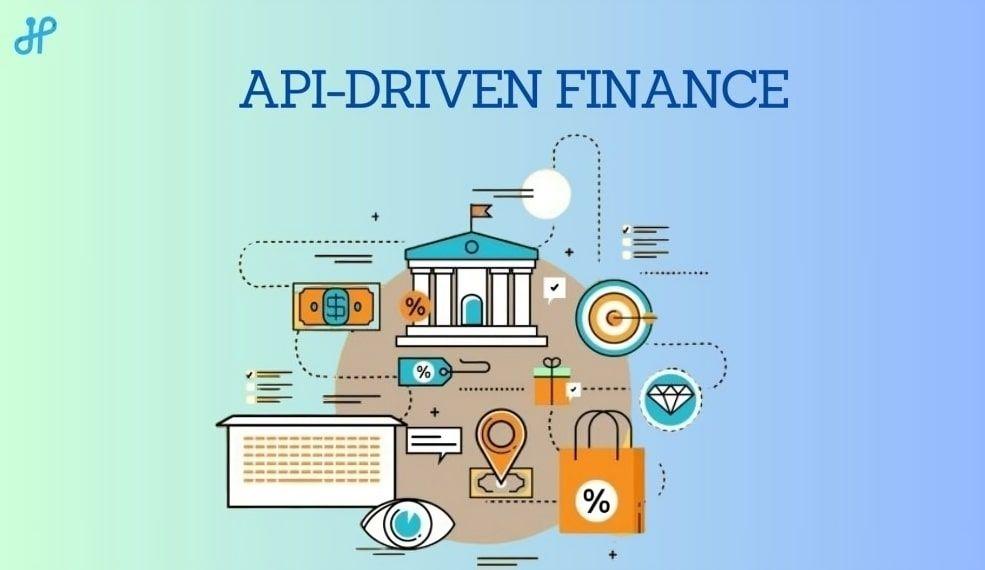
The financial sector has shifted in recent years. This is due to technology and rising consumer demand. A noticeable trend in the conference is the advent of open banking conditions. An open banking environment lets verified third parties use banking data APIs from banks and other financial services. They can receive information and execute transactions. This change has consequences not only on the customers but also on the financial services providers resulting in healthy competition, creativity and better services to the clients.
Grasping the Concept of Open Banking
Open banking aims to give consumers more control over their financial data. To market these aids, foreign agents are given relevant information. This is in exchange for a service or for specific goods. This could be an app to help with budgeting and personal finance. It could also be a service for lending and investing in startups.
Key Benefits of Open Banking
- Stimulates growth: Open banking creates rivalry among financial bodies. They charge less and offer better services and products.
- Aids Customer Satisfaction: It boosts customer satisfaction. Consumers have better financial service options. They can be tailored to meet their needs.
- Encourages Modifications: It encourages changes. Open banking lets finTech and banks innovate within or around the banking system.
- Promotes Financial Salvation: It can save people financially. Open banking can help. It provides cheap and easy access to financial services without physical branches. Thus, it increases financial inclusion.
How APIs Enable Open Banking?
APIs are the key links between financial institutions and third-party developers. They enable others to add new functions. APIs help developers interact with financial services in a secure way. They allow for manipulating data like transactions, account details, and payments. Thus allowing huge amounts of products development for the market to be used on top of the current banking system.
Primary Use Cases of Open Banking
- Payment initiation services (PIS): Let consumers recover funds via bank apps linked to third parties. They don't require regular payment methods, like plastic cards.
- Account information services (AIS): They collect all consumers' financial data, regardless of how many accounts they have.
- Personal Finance Management: Open bank APIs enable budget apps. They help users avoid overspending and achieve their goals.
- Lending & Investment: Open banking lets financial firms better predict consumers' borrowing. It also helps them create better lending and investment products.
- Insurance: Greater financial autonomy from open banking can benefit clients' health. It will allow for designing and offering products that analyze risk using customers' financial data.
- Wealth Management: Open banking lets wealth firms improve their services. They can now offer complete financial advisory services by using more detailed client data.
- Small Business Solutions: Open banking can help small business owners. It can make it easier to get loans and other financial services. They would be easy to repay and help manage cash flow.
Challenges and Opportunities
Although open banking has vast benefits it has also been rather difficult.
However, the potential benefits of open banking outweigh the challenges. By embracing this new approach, financial institutions can lead in the digital age. They can then deliver great value to their customers.
The Future of Open Banking
Open banking has a long growth path ahead of it, and thus we should witness more advanced products and services in the near future. This is because we can add other technologies to the open banking platforms in the future. For example, blockchain, AI, and IoT.
Impact on Consumers
Open banking has extensive effects on the consumers in several ways;
- Enhancing the Consumer’s Power: Open banking enhances consumers' power. It lets them manage their financial data. They can then make informed choices.
- Aiding Convenience: Separate apps that use open banking can help with boring tasks. These include budgeting, paying bills, and transferring money.
- Stunting Credit Ignorance: Open banking can give consumers innovative financial services. These can improve their understanding of finance.
Impact on Financial Institutions
Open banking has its own merits and demerits considering financial institutions;
- New risks: Open banking can boost competition among financial firms. They must now create unique features or offers to stand out.
- Other income opportunities: Non-banking businesses will boost income for banks. They could work with finTech companies.
- Insight: Open banking can as well uncover opportunities for financial institutions.
Best Practices for Open Banking Implementation
The following best practices are recommended for financial institutions looking to implement Open Banking:
- Create a clear strategy: Define the goals of Open Banking. Then, create an implementation plan.
- Invest in technology: Your IT must support Open Banking APIs and data sharing.
- FinTech Partnerships: Collaborate with FinTech companies to develop new products and services that leverage Open Banking.
Conclusion
The rise of open banking is one of the changes that is reforming the economy. By empowering Open banking can make finance better for consumers. By encouraging innovation and competition, it can create an efficient and inclusive system.
As banks and finTech embrace this new idea, a bright future awaits. Financial services will be more accessible, affordable, and personal than ever.