
Cloud, DevOps and data
DevOps services, from infrastructure as code to automated deployments
DevOps is the practice of automating how software is built, tested, deployed and monitored, so releases stop depending on manual steps. HabileLabs plans the roadmap, sets up CI/CD pipelines, infrastructure as code and containers, and trains your team to run them.
- Wonder Finance: 80%+ less time to deploy infrastructure
- Neerja Software: deployment time cut 70%
- Validated by AWS for AWS CloudFormation and Amazon ECS
Trusted by












What we do
DevOps consulting, implementation and training
Take one part or the whole program, depending on where your delivery process stands today.
DevOps strategy and roadmap
We map business expectations, analyze your software development lifecycle and set out a DevOps implementation strategy and roadmap.
CI/CD pipelines
Continuous integration and deployment pipelines that automate building, testing and deploying your applications, with test automation and application monitoring built in.
Infrastructure as code
Environments defined in code, so each one is created the same way at any point in the application lifecycle.
See DevOps on AWSContainerization
Application modules packaged in containers, with a containerization strategy that fits how you release.
Delivery process fixes
We fix handoff problems between development, testing and operations teams, fill gaps in tools and process, and raise automated test coverage.
Tooling and team upskilling
We select, set up and configure the right DevOps tools, and train your team in the methods and tools so they can run them.
How it runs
How a DevOps implementation runs
Four stages, from your current delivery process to a pipeline your own team runs.
Plan
We map business expectations, analyze your software development lifecycle and create the DevOps implementation strategy.
Create a roadmap
We set the containerization and CI/CD strategy, choose management tools and identify the obstacles specific to your setup.
Execute
We implement and configure the pipeline with an infrastructure-as-code approach, and upskill your system administrators and DevOps staff in the tools.
Support
We guide your DevOps practitioners until they meet their implementation goals, and help keep the software infrastructure running.
Tools we work with: Git, Portainer, AWS CodePipeline, AWS CodeBuild, Amazon S3 and AWS Lambda.

Client results
DevOps and infrastructure as code we have delivered

Why it matters
What changes when releases are automated
The pipeline does the checking and the deploying, so your team spends its time on the product.
Code checked on every change
Tools in the pipeline detect errors and vulnerabilities automatically, before code moves on.
Releases without manual steps
Release and deployment run automatically, on a schedule that fits your business.
Promotion based on evidence
Security scan results, build status and code checks decide whether a build moves to the next environment.
Support for your core IT team
An automated delivery pipeline that adjusts as your deployment cycles change, run together with your team.
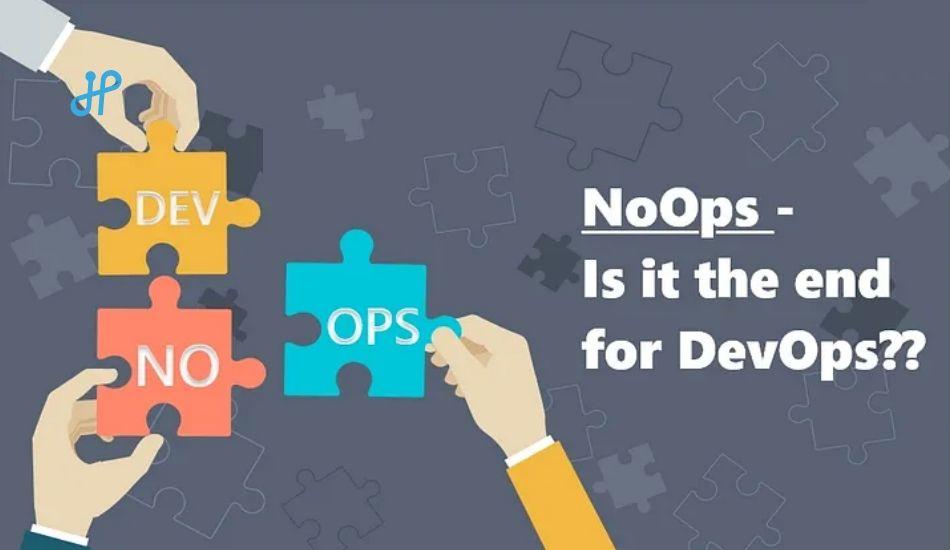
DevOps articles from our engineers
Containers, code quality and where DevOps is heading.

What clients say about working with us
In their own words.


RevBits has been closely working with HabileLabs since quite sometime now and the experience has been really nice so far. The team is professional, easy to work with and they ensure that every task assigned to them is completed within stipulated time.
RevBits
Mucteba Celik




DevOps FAQs
DevOps services: common questions
A DevOps strategy and roadmap, CI/CD pipelines, infrastructure as code, containerization, test automation and application monitoring, plus tool selection and training for your team. You can take one part or the whole program.
No. We set up pipelines and infrastructure as code on AWS, Microsoft Azure and Google Cloud. For AWS-specific work with AWS CodePipeline and AWS CloudFormation, we also run a dedicated AWS DevOps service.
It means defining servers, networks and other infrastructure in version-controlled templates instead of configuring them by hand, so every environment is created the same way. Wonder Finance cut infrastructure deployment time by over 80% with AWS CloudFormation templates.
Yes. We upskill your system administrators and DevOps staff in the tools and processes during implementation, and guide them afterwards until they meet their goals.
Yes. We find and fix communication problems between development, testing and operations, fill gaps in tools and processes, and improve automated test coverage.
With planning: we map your business expectations and analyze your software development lifecycle, then agree a strategy and roadmap before anything is built.